

In the heart of Yorkshire's landscape, a wealth of the past and infrastructure lies below ground, waiting to be explored. GPR inspections are transforming the way we investigate and interpret the earth's interior. By utilizing state-of-the-art radar technology, GPR inspections offer an novel approach to mapping unseen structures, detecting buried utilities, and uncovering ancient sites. As development efforts and archaeological endeavors become increasingly complex, the importance of conducting GPR inspections can’t be ignored.
Regardless of whether you are a project manager in Sheffield, a contractor in Leeds region, or an archaeologist investigating the rich historical sites in northern Yorkshire, understanding what a GPR inspection consists of and when to perform one can be time-saving, mitigate risks, and prevent costly mistakes. This article delves into the various uses of GPR surveys particular to Yorkshire region, providing perspectives into their methodologies, advantages, and how they adhere to professional standards. From protecting vital infrastructure before excavation to revealing hidden historical locations, the power of GPR studies is revealing Yorkshire’s secrets one layer at a time.
Introduction to GPR Assessments and Their Significance
GPR surveys have become as a key tool in multiple domains, including construction, cultural studies, and infrastructure mapping. This low-impact method makes use of radar signals to map the subsurface, revealing important information about what lies beneath the ground. In Yorkshire, where historical sites and current developments coexist, GPR surveys play an indispensable role in maintaining safety and productivity during digging and building initiatives.
The ability to identify buried infrastructure, including utilities and gaps, makes GPR an invaluable asset for building and restoration efforts. By pinpointing the sites of underground conduits, wires, and concealed structures, GPR surveys help eliminate costly utility strikes that could lead to project delays and threats. In areas such as Yorkshire, where clay soils can complicate excavation efforts, GPR offers a distinct benefit by providing current information that informs planning and execution.
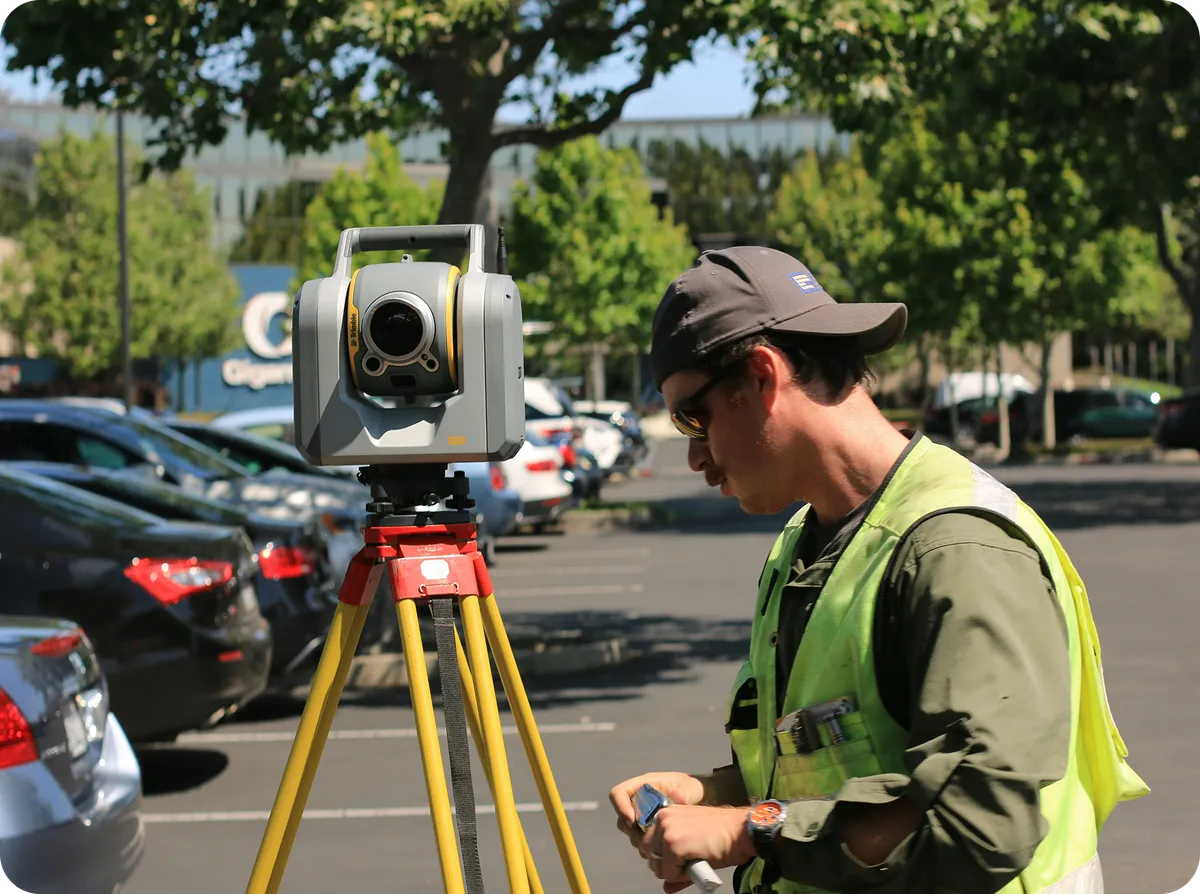
Furthermore, GPR surveys are increasingly acknowledged for their relevance in compliance with safety regulations. Recognizing underground environments helps construction firms follow regulations such as the HSG47 framework, which mandates measures for underground hazards. By utilizing GPR technology, project managers not only improve safety measures but also contribute to more eco-friendly development approaches by minimizing disruption to the surrounding area and current facilities.
Uses of Ground Penetrating Radar in the Yorkshire Building
GPR has emerged as an invaluable tool in the building industry throughout the Yorkshire region, delivering important insights into the below-ground environment. One of the main applications of GPR is in utility mapping, where it efficiently detects non-conductive pipes and cables before excavation. Topographic Surveys Halifax Yorkshire is essential, as many older utilities are unrecorded or inadequately recorded, posing a risk of costly utility strikes during development. GPR investigations enable project managers to visualize the underground configuration, facilitating safer and more efficient groundwork, thereby reducing project delays and costs.
Another significant use of GPR in Yorkshire building is the detection of structural voids and weaknesses beneath streets, car parks, and industrial warehouse. By identifying these problems before construction starts, Ground Penetrating Radar helps stop potential failures that could arise from weak ground. Moreover, GPR is crucial in evaluating concrete forms, such as bridge decks, allowing for the precise location of reinforcement bars, post-tension cables, and conduits. This ensures that any future coring operations do not jeopardize the integrity of these buildings.
Additionally, Ground Penetrating Radar is useful in archaeological surveys, particularly in heritage-rich areas like north Yorkshire. It helps in identifying historic burial sites and unspecified burials, ensuring that construction activities honor and safeguard the region's cultural heritage. Through its various uses, GPR not only boosts safety and efficiency in construction projects but also encourages a sustainable approach to land development, reconciling current construction demands with the preservation of historical sites.
Cost and Aspects for GPR Investigations
When evaluating a Ground Penetrating Radar (GPR) assessment in Yorkshire, it's crucial to comprehend the financial aspects involved. The cost can fluctuate based on various factors, including the dimensions of the area to be surveyed, site accessibility, and the required equipment needed for the task. Generally, GPR assessments range from a hundreds to several thousand pounds, depending on the difficulty and depth of the assessment. For more extensive or more intricate sites, the investment can be justified by the potential savings from avoiding utility strikes and revealing hidden liabilities.
In additionally to pricing, project managers must factor in the experience and qualifications of the GPR survey contractor. A experienced provider should be familiar with local laws, such as compliance with local regulations, ensuring the survey meets key guidelines for utility locating and site assessments in the Yorkshire region. Hiring a knowledgeable contractor can significantly enhance the quality and reliability of the assessment results, ultimately affecting decision-making during construction or excavation.
Another important consideration is the timing of the survey. Advance planning is important, as GPR surveys can take time to organize, and weather conditions may influence ground penetration capabilities. Factors such as soil makeup and moisture levels can affect the efficiency of GPR, particularly in the region's clay-heavy locations. By including my site in the project timeline, stakeholders can successfully mitigate risks and simplify the groundwork process, ensuring a safer and more effective construction process.