

Since development along with infrastructure undertakings continue to expand across the Yorkshire region, the need for effective measurement methods is ever been critical. Ground Penetrating Radar inspections have become as a vital instrument for professional practitioners, offering information into subsurface conditions that standard approaches could miss. Ranging from urban building locations in the city of Leeds to rural initiatives in North Yorkshire, understanding how GPR operates can facilitate more secure and streamlined digging, helping to avoid concealed risks that can derail plans or lead to financial mistakes.
In the following content, we are going to discuss the multiple implementations of GPR surveys in the Yorkshire region, shedding light on how the technology assists locate non-metal pipes, lines, and even unmarked burials. We will additionally cover key standards such as PAS 128 utility mapping practices and how combining GPR with other detection methods can boost outcomes. Whether you are a project manager, contractor, or engaged in heritage preservation, knowing when and how to use GPR surveys can substantially impact the success of your endeavors.
Comprehending GPR Investigations in Yorkshire Area
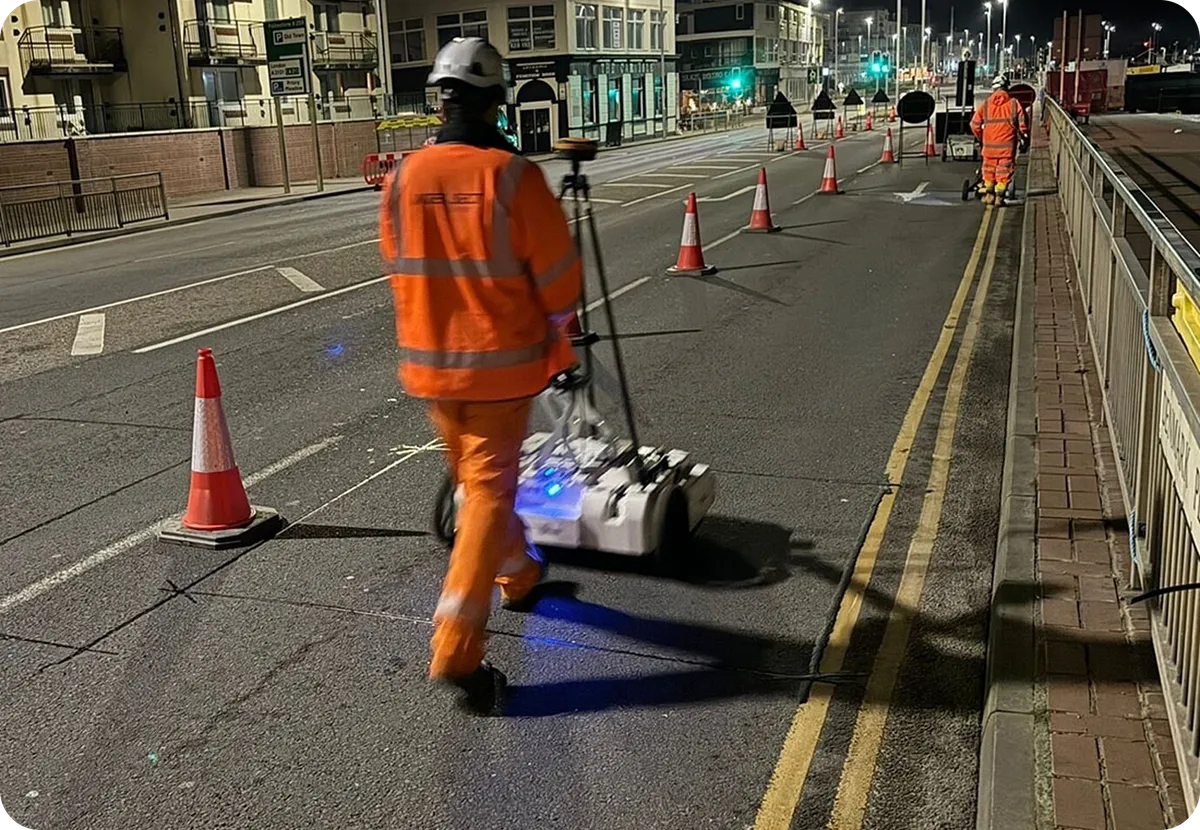
Ground Penetrating Radar (GPR), commonly referred to as Ground Penetrating Radar, is a crucial tool for beneath the surface investigation, allowing surveyors to visualize what lies beneath the ground without intrusive digging. In Yorkshire, GPR studies are more and more utilized across various sectors, including construction, archaeological studies, and ecological research. This non-damaging technology employs EM pulses to produce images of the underground structures, helping to identify the presence of public services, geological features, and dangerous conditions.
In urban areas like the city of Leeds and the city of Sheffield, where infrastructure is dense and intricate, the need for accurate subsurface mapping is critical. PAS 128 Surveys Middlesbrough Yorkshire assist in locating composite pipes and cables before digging, preventing expensive repairs and service interruptions. Additionally, compliance with standards such as the PAS 128 guidelines ensures that the data collected meets the necessary quality levels for utilities mapping, thereby enhancing security and productivity on construction sites.
The distinctive geological conditions in Yorkshire area, including clay ground and varying moisture levels, can impact how deep GPR can penetrate and signal clarity. Grasping these factors is crucial for survey designers to enhance survey strategies. Utilizing advanced GPR equipment and methods, such as dual-frequency antennas, allows for the finding of both near-surface and deep features, providing comprehensive insights for planning projects and implementation.
Applications of GPR Technology
GPR technique has a variety of uses throughout various sectors, rendering it a critical asset for both building and conservation initiatives. In the construction industry, GPR is mainly utilized for locating utilities, allowing contractors to locate non-metallic pipes and cables before excavation begins. This significantly reduces the risk of utility damage during construction projects, ensuring safer and more efficient operations. It is also crucial for initial due diligence, enabling stakeholders to find concealed site issues that might hinder the development process.
In environmental and archaeological contexts, GPR is used for finding underground voids, including disused mine shafts or unknown culverts, and creating maps of grave sites in ancient churchyards. This application is especially important in areas such as Yorkshire, where the conservation of historical sites is critical. GPR surveys for archaeological purposes not only help in locating relics without soil disruption but also aid to understanding the layout of past civilizations, thus honoring heritage sites.
Moreover, GPR technology plays a crucial role in geotech assessments and structural assessments. It is utilized to assess concrete structures, detect rebar and post-tension cables in slabs, and evaluate the soundness of bridges and roads. As PAS 128 Surveys Yorkshire and materials change, the ability to customize GPR technology for specific applications—such as moisture variations in Yorkshire clay soils—improves its accuracy and dependability. This versatility makes GPR an vital resource throughout the industry, guaranteeing safety, effectiveness, and preservation of crucial data beneath the surface.
Pricing and Planning for GPR Surveys
When organizing for a Ground Penetrating Radar survey in Yorkshire, understanding the pricing involved is crucial for effective budgeting. The cost of a Ground Penetrating Radar survey typically fluctuates based on several factors, including the dimension of the area to be surveyed, the difficulty of the site, and the required depth of penetration. Most companies give estimates based on hourly rates or project estimates, and it’s wise to gather multiple estimates to ensure best prices. Additional services, such as data processing and report creation, may also impact the final price, so it's vital to specify what is covering in each bid.
Preparation is key to a successful GPR survey. Prospective clients should ensure the site is accessible and free from obstructions. This may involve clearing debris or working with utility companies to avoid conflicts with underground services. It's advisable to conduct a preliminary evaluation that includes examining existing utility records and consulting local regulations to comply with standards such as publicly available specifications 128. Proper planning helps prevent delays and additional costs that could arise from unforeseen issues during the survey.
Post-survey analysis is another critical component that affects both cost and effectiveness. Raw data collected from GPR surveys must be processed to generate clear, understandable results. Investing in quality analysis software can enhance the clarity of the findings, providing stakeholders with more trustworthy insights for decision-making. Thus, taking into account both the initial survey costs and the potential costs for analysis will contribute to a more comprehensive budget and a higher profit for GPR services.